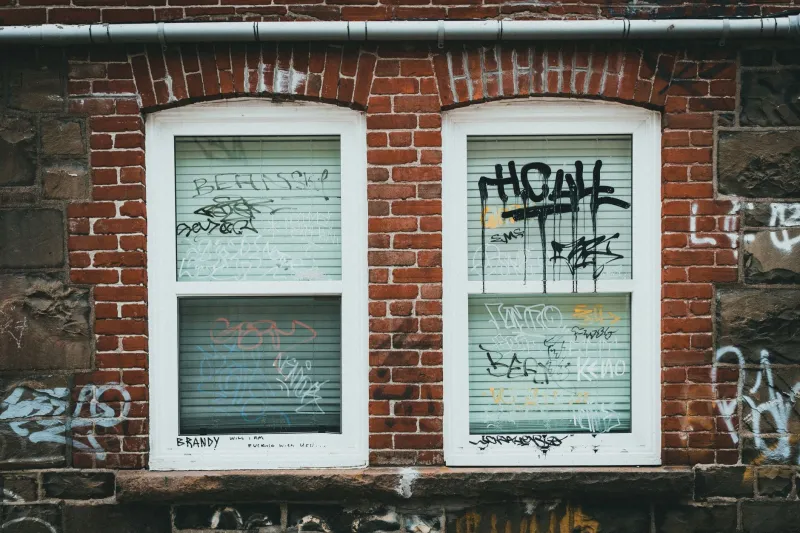
Sellout or Level Up? The Writers Who Took Graffiti From the Train Yard to the Museum Wall
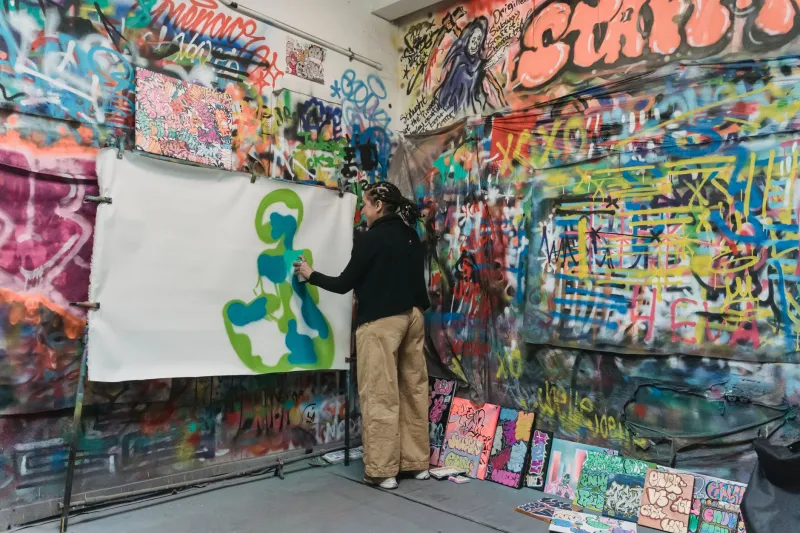
There's a moment that happens at almost every gallery opening for a former graffiti writer. Some kid who still bombs on weekends, hands smelling of Grog, looks at the canvases on the wall — work that might be selling for five figures — and asks the question nobody at the wine table wants to hear: would you still hit a street spot if nobody was paying you?
The answer matters. Because for a lot of people in this culture, that's the whole dividing line.
How the Pipeline Actually Works
The jump from illegal walls to legit spaces rarely happens overnight. The usual path looks something like this: a writer puts in years getting up, builds a name through sheer repetition, someone with a camera documents it, a gallery owner or brand scout notices the work translates to canvas or commercial design, and suddenly there's a show, a sneaker collab, maybe a museum acquisition.
The names everybody knows — the ones who went from subway cars to Sotheby's — proved it could be done. But the pipeline keeps running. Every mid-size city in America has a writer who made the leap locally: the Detroit kid whose murals now anchor redevelopment projects, the Oakland writer whose tags became a clothing line, the Philly artist whose hand style ended up in a Super Bowl ad.
And every one of them has heard the whispers.
The Case Against the Jump
Talk to the old heads — the ones who still paint at 3 a.m. and don't post their work — and the criticism is usually pretty blunt. Graffiti, at its root, is illegal. The danger, the secrecy, the fact that the work exists in defiance of property and permission — that's not incidental to the culture. It's the culture.
Take that away and you've got, in their view, just a graphic designer with a felony-adjacent backstory. Worse, some argue, is when writers monetize a name built illegally and then lobby for the legal protection of the mainstream — the same mainstream that used to buff them, arrest them, and lock them up.
There's also the gatekeeping math: a writer who did ten years in the yards and then went legit gets more grace than someone who did two and pivoted. The streets keep receipts.
The Case For It
But spend time with writers who've made the transition and you'll hear a different story — one about survival.
Graffiti has no pension plan. No health insurance. Writers have done decades of work that made other people rich: photo book publishers, gallery middlemen, brands who borrowed the aesthetic without crediting the source. Going legit, some argue, is just a writer finally collecting on their own labor.
There's also the visibility argument. A museum retrospective puts graffiti history in front of people who'd never walk a rail yard — students, curators, city officials deciding whether to preserve a wall or paint over it. That kind of cultural legitimacy has real consequences, especially in an era when cities are actively erasing the very work this culture was built on.
And plenty of successful transitions come with receipts: writers who fund youth programs, paint free legal walls, and keep their hand in the streets. Success doesn't automatically mean abandonment.
Where the Tension Actually Lives
Here's the uncomfortable truth both sides tend to dodge: the culture has always been contradictory. Graffiti worships fame while criminalizing it. It's anti-establishment and obsessed with hierarchy. It demands you get up everywhere while insisting you stay anonymous.
The commercialization debate didn't create that tension — it just put a price tag on it.
The writers who seem to navigate it best share a few habits. They stay painting. Not just canvases — actual walls, ideally without permission. They credit the crews and the culture instead of presenting themselves as self-made geniuses. And they don't pretend the streets were a phase, some gritty origin story to mine for interviews.
The ones who lose the room are the ones who act like they graduated. Like the yards were a stepping stone and the people still out there at 2 a.m. just haven't figured it out yet.
The Verdict From the Walls
Ask ten writers if going legit kills your credibility and you'll get ten different answers, most of them passionate. But underneath the arguments, there's a rough consensus: the streets don't care what you sell. They care what you still do.
A writer with a museum show who still shows up at the legal wall with fresh paint for the kids? That's an ambassador. A writer with the same show who hasn't touched a wall since the check cleared? That's a brand.
The culture can tell the difference. It always has.