Crossed Out: The Brutal Grammar of Graffiti's Public Feuds
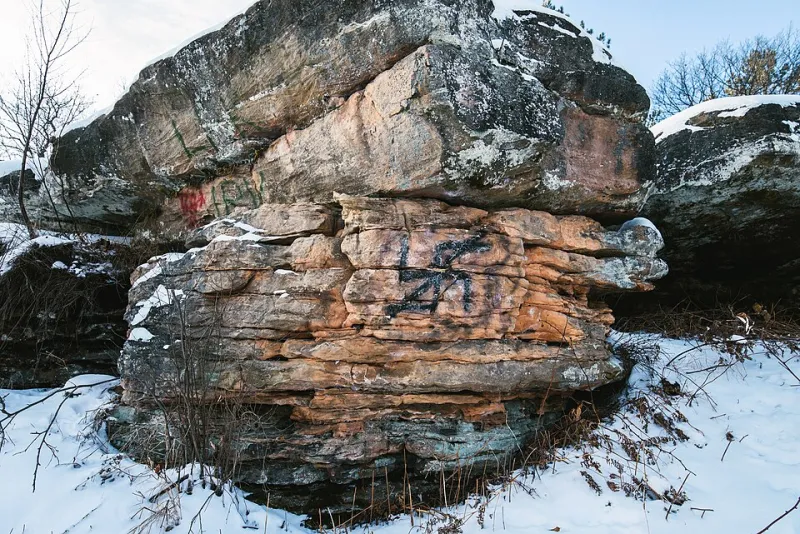
Photo: Tony Webster from Minneapolis, Minnesota, United States, CC BY-SA 2.0, via Wikimedia Commons
Every city has them. The wall where a name keeps getting crossed out and rewritten, over and over, like a sentence nobody can finish. The overpass where two crews have been trading insults in spray paint for so long that the concrete is an inch thicker from the layers.
That's not random vandalism. That's beef — graffiti's oldest and most public feud format, and one of street culture's most misunderstood traditions.
The Rules of the Diss
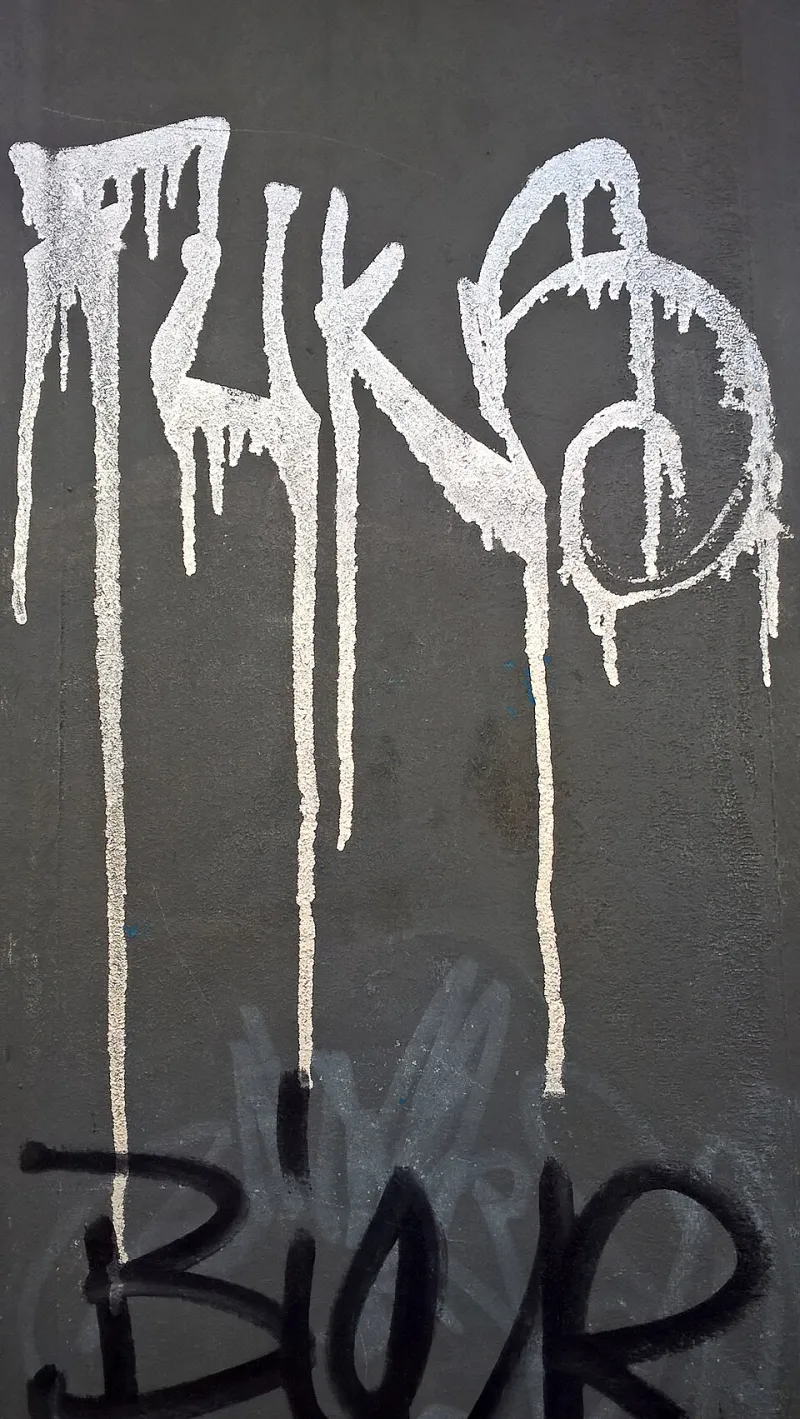
Graffiti beef has grammar. A tag crossed out with a single line is a warning shot. A throw-up painted directly over someone else's name is an escalation. Going over a legend's piece — especially with something small and lazy — is the equivalent of a declaration of war, and the neighborhood knows it.
What makes graffiti beef unique among art-world conflicts is its venue: everything happens in public, in plain sight, judged by an audience of commuters, shopkeepers, and rival writers who all pass the same walls. There are no private letters, no subtweets. The diss is the medium.
And here's the part outsiders miss: there are rules. Going over someone without cause, crossing out the dead, disrespecting memorial walls — these are violations that the culture polices itself. The feuds have referees, even if the referees are anonymous.
Fuel or Arson?
Ask writers whether beef helps or hurts and you'll get two different religions.
The case for beef: conflict is the engine. Competition is why letterforms evolved, why pieces got bigger, why style became the whole point. Hip-hop's entire competitive DNA — the battle rap, the breakdance circle, the DJ showdown — runs through graffiti too. Remove the rivalry and you get murals, not graffiti. Plenty of writers will tell you their best work came out of a war, when every night on the wall was a response to the night before.
The case against: beef burns bridges and walls alike. A block locked in a cross-out war becomes a visual mess, which draws city attention, which draws the buff, which erases everyone's work — winners and losers together. Veterans of the culture note that the writers who lasted decades were rarely the ones at war constantly. They were the ones who picked their battles.
Historians of the movement point to famous feuds that genuinely pushed the art forward — style wars that produced innovations the whole culture adopted. But they'll also point to the feuds that ended in a neighborhood buffed clean and a crew retired out of frustration.
What the Feuds Are Actually About
Strip away the paint and graffiti beef is about something the culture rarely says out loud: status in an art form with no gallery, no jury, and no signature anyone can Google. Your name is your identity, and when someone goes over it, they're not just covering paint — they're contesting who you are.
That's why beef cuts so deep, and why it never really resolves. There's no trophy, no final match. There's just the next wall, and the next name, and the next line through it.
Love it or hate it, beef is the culture's pulse check. When the wars are hot, the walls are alive. When they go cold, graffiti starts looking like everything else — pretty, polite, and forgettable.