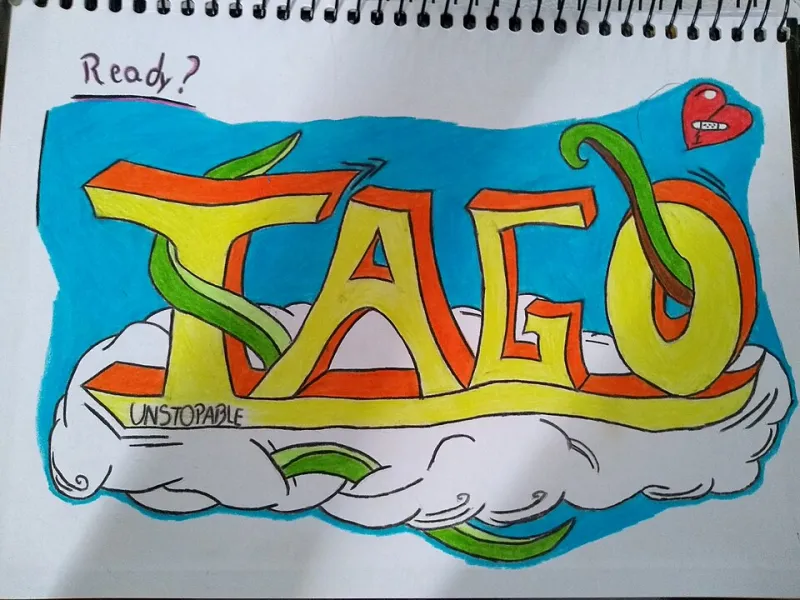
Where It All Started: The Treasure Hunters Rescuing Street Legends' First Pieces From the Bulldozer
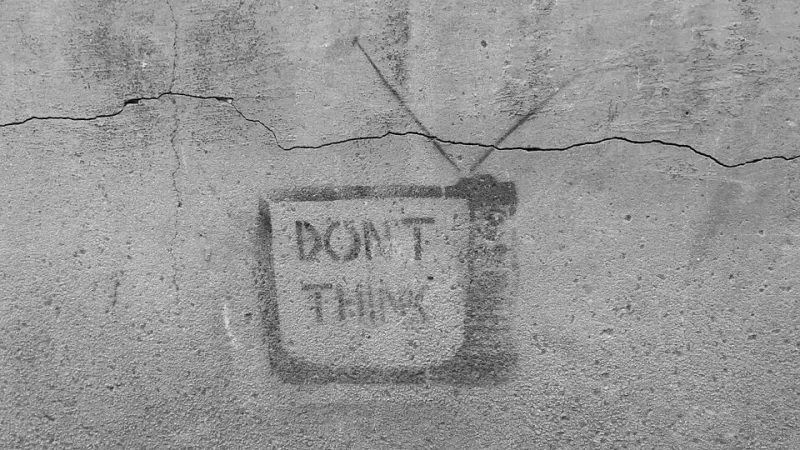
Photo: Marija Zaric simplicity, CC0, via Wikimedia Commons
Somewhere in a weed-choked lot on the edge of Philadelphia, there's probably a piece painted by a teenager who'd later become a household name. Nobody knows exactly where. Nobody's sure it survived the last decade of demolition permits and condo developments. But a small network of graffiti archaeologists is determined to find out — before it's too late.
They call them ghost tags: the early, often clumsy, always revealing work that famous writers left behind before anyone cared who they were. And hunting them has become one of street art culture's most obsessive pastimes.
The Origin Story Nobody Photographed
Here's the problem with graffiti history: it happened fast, in the dark, and usually without witnesses. The pieces that made legends — the gallery shows, the murals, the brand deals — got documented within an inch of their lives. The pieces that made the legends? Those went up at 2 a.m. in a rail yard with a disposable camera at best and nothing at worst.
What's left is a paper trail of rumor. A writer mentions a first piece in an old interview. A crew member posts a faded photo from 1994. A forum post from 2006 pins a location with the confidence of someone who's never been wrong (they were wrong). That's the map the hunters work from — half memory, half myth.
The People Doing the Digging
Spend any time in this scene and you'll meet the types. There's the archivist with a waterproof Pelican case full of hard drives, who's been cataloging walls across three states since before Instagram existed. There's the retired transit worker who knows exactly which lay-up tunnels still hold paint from the '80s. And there's the younger generation, drone batteries charged, treating the whole thing like a side-scrolling video game where the prize is a faded throw-up under six layers of buff.
The tools are unglamorous: Google Street View scrolled frame by frame, assessor's maps, demolition notices pulled from city websites, and a lot of knocking on doors in industrial corridors asking confused property managers if they mind one guy with a camera.
"The trick," one hunter told me, "is that cities tell on themselves. Every demolition permit, every rezoning application — that's a countdown clock. You learn to read the paperwork like a treasure map."
What a Ghost Tag Is Actually Worth
Ask a collector and they'll talk provenance. Ask a writer and they'll talk something closer to genealogy. Because these early pieces aren't just artifacts — they're evidence. They show the hand style before it tightened, the color theory before it matured, the ambition that outran the skill. Seeing a legend's first piece is like hearing a band's garage demo: rougher, hungrier, somehow more honest.
There's also a harder truth underneath. In most of America, a painting on a wall has no legal protection, no historic designation, no path to preservation. It belongs to whoever owns the wall, and walls get painted over, sandblasted, and demolished without ceremony. The hunters aren't preserving these pieces in any official sense. They're preserving the record of them — high-resolution photos, GPS coordinates, dates, context — because the paint itself is always on borrowed time.
Racing the Wrecking Ball
The stakes got real for one crew in the Midwest, when they caught wind that a defunct steel warehouse — home to a dozen early pieces by writers who'd since gone global — was slated for demolition by spring. What followed was a two-week scramble: legal access negotiated through the property owner's insurance company, a professional photographer hired off a mural commission, and lighting rigs hauled into a building with no working electricity.
They got everything. Three months later, the warehouse was rubble. Today those images circulate in archives and documentaries, the only proof the walls ever existed.
That's the pattern, hunters say. The pieces don't fade out gracefully. They die suddenly, in the path of a parking structure or a luxury build. Gentrification hasn't just changed neighborhoods — it's quietly deleted the physical record of who painted there first.
Why Bother?
It's a fair question. These are, technically, illegal paintings by people who've long moved on. But ask the hunters and the answer comes back the same way every time: because the story lives in the wall, not the press release.
Every famous name in this culture started as some kid with a can and a corner to prove something on. The museums got the career. The ghost tags hold the beginning. And if nobody goes looking — through the weeds, past the no trespassing signs, down the dead-end streets the city forgot — that beginning disappears like it never happened.
The hunters plan to keep looking. The bulldozers, presumably, will keep their schedule.
If you've got an early piece by a known writer in your city — or you know where one's hiding — document it. Shoot it in daylight, shoot it wide, shoot the surrounding block for context. Future graffiti historians will thank you. The buff certainly won't.