Painted Over, Wiped Out: When Cities Buff Away Their Own Cultural History
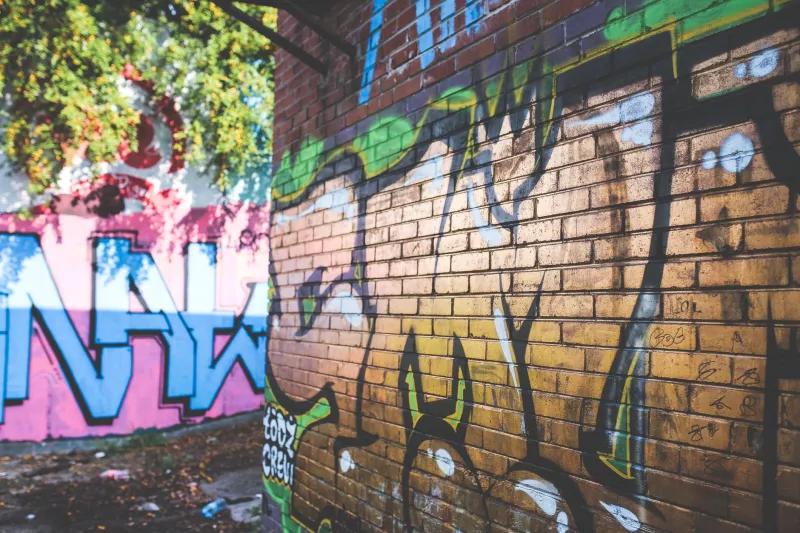
There's a particular kind of heartbreak that comes with a fresh coat of gray paint. Ask any graffiti writer who's come back to a wall they loved and found it blank. Ask the neighborhoods that woke up one morning to find the art that defined them gone without a vote, without a warning, without so much as a photograph in the city archive.
America has a complicated relationship with the art it puts on its own walls. We celebrate it in documentaries, put it on postcards, and build tourism campaigns around it. Then, when the rent goes up or a developer signs a lease, we paint over it like it never happened.
The 5Pointz Lesson Nobody Learned
Let's start with the case that still haunts the culture. In 2014, under cover of night and a fresh coat of white paint, the owners of New York's 5Pointz — the Long Island City warehouse known as the world's premiere graffiti mecca — whitewashed 45 years' worth of work in a single evening. Artists sued. In 2018, a federal judge awarded them $6.7 million under the Visual Artists Rights Act, a landmark ruling that said, for the first time in plain terms: this work had value, and destroying it was a crime.
But here's the thing. The money came after the art was gone. The judgment couldn't resurrect a single piece. And nearly a decade later, cities across the country are still making the same mistake, just quieter.
Gentrification's Favorite Accessory
Walk through any rapidly gentrifying neighborhood — Wynwood-adjacent Miami, East Austin, Portland's Central Eastside — and you'll notice a pattern. Street art arrives first. It signals authenticity, edge, culture. Cafes lean into it. Real estate listings name-drop it. And then, once the neighborhood is 'arrived,' the walls get polished. The murals that attracted everyone in the first place become liabilities — too raw, too political, too much a reminder of who lived here before.
'I've watched it happen three times in the same corridor,' says a muralist in Chicago's Pilsen neighborhood, where longtime Mexican-American murals have vanished behind new construction. 'The art makes the block cool. Then the block gets expensive. Then the art is suddenly a problem. Nobody ever asks the artists or the community what should stay.'
When Erasure Isn't Accidental
Some losses are bureaucratic neglect — a wall repainted for a code violation, a mural lost to weather with no fund to restore it. But plenty are choices. Murals honoring Black history in Southern cities have been buffed for 'aesthetic updates.' Political pieces critical of local power structures have a funny way of disappearing right before elections or development votes.
Preservationists point out the double standard. A bronze statue gets a hearing, a commission, a public comment period. A mural — often the most accessible art a community has — gets a roller and a Monday morning.
What Smarter Preservation Looks Like
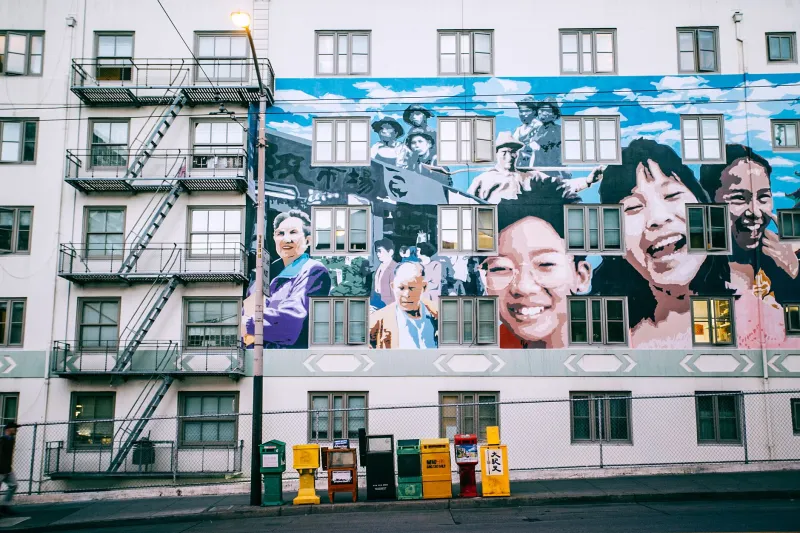
The good news: some cities are figuring it out. Philadelphia's Mural Arts program, the largest in the country, treats murals as infrastructure — catalogued, maintained, and restored like bridges and benches. Los Angeles repealed its citywide mural ban in 2013 and now maintains a public registry. Detroit and Albuquerque have launched official walls where legal painting is protected rather than prosecuted.
The playbook isn't complicated. Document everything — high-res photo archives mean a mural can survive even if its wall doesn't. Write community consent into development approvals. Extend moral rights protections to more artists in more states. And maybe most importantly, ask the neighborhood before the roller comes out.
The Wall Remembers
Street art was born ephemeral. Writers know every piece is temporary; that's part of the beauty. But there's a difference between a piece getting gone over by the next writer — the natural cycle of the culture — and a city erasing its own history because someone with capital decided the walls should be quieter.
The murals we lose tell future generations exactly as much as the ones we keep. Right now, we're telling them the art mattered right up until the moment it got in the way of money. We can write a better message. Preferably in color.