The Name on the Wall: How a Tag Becomes the Person You Can't Take Back
Ask a graffiti writer for their government name and you might get a shrug. Ask about their tag and you'll get a story — sometimes a fifteen-minute one, sometimes one they've never told anybody out loud.
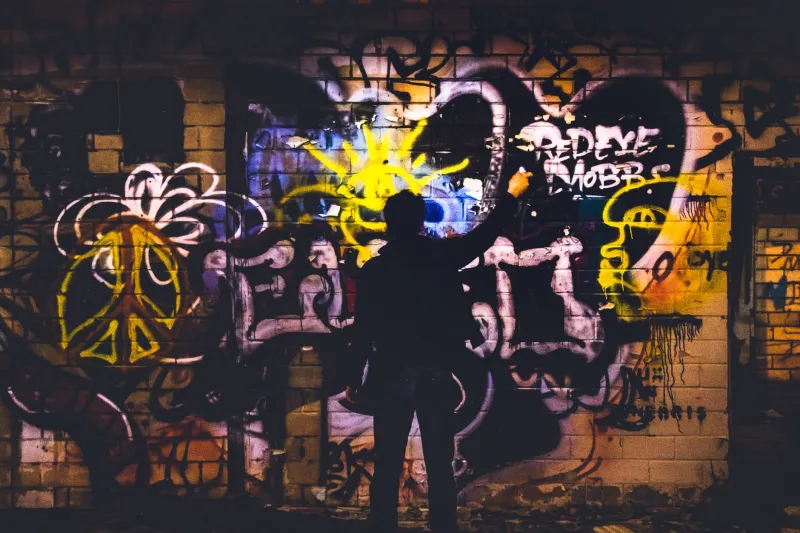
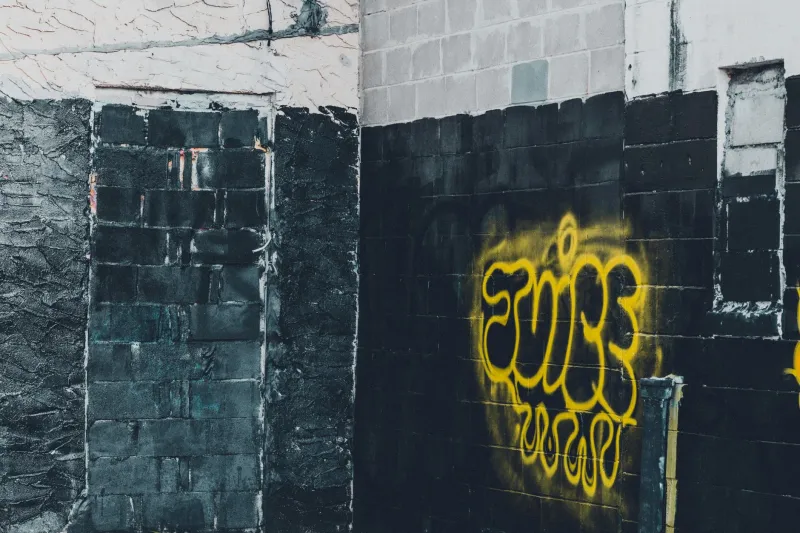
The tag is the smallest unit of graffiti and the heaviest thing a writer carries. Four letters, maybe six, scrawled on a mailbox in Bushwick or a storm drain in Phoenix. It looks like nothing. It means everything.
Naming Yourself Is the First Act
Nobody assigns you a tag. There's no committee, no paperwork. You just pick it — and picking it says something about who you were at that exact moment in your life.
Some writers land on a name in middle school and never let go. Others burn through two or three before one sticks. The ones that stick tend to share a quality: they're easy to say out loud, easy to throw on a wall, and they sound like a person, not a brand. "Sane," "Ces," "Daze" — real names, almost. Aliases that feel like they could answer to them.
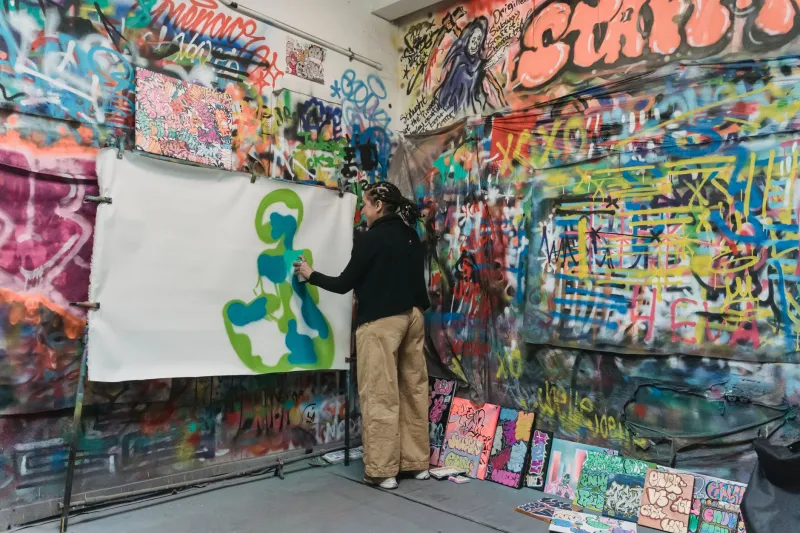
"I was fourteen and I wanted something that sounded fast," a writer from Detroit told us. "Two letters. Didn't overthink it. Twenty years later I've got that name tattooed on my forearm, so I guess I overthought it just enough."
That's the strange contract of the tag: you choose it once, and then it chooses you forever. Change it and you're starting from zero. Keep it and you're stuck being the fourteen-year-old who picked it — forever.
When a Name Catches
Writers talk about a name "catching" the way you'd talk about a fire. It's not the first tag that does it. It's the fiftieth, the hundredth, the one that shows up in a photo on a forum from a city you've never been to.
The moment is different for everyone. For one East Coast writer, it was seeing his hand style on the inside of a subway car — somebody else had copied it. "I was mad for a second. Then I realized I'd become a style that people study. That's when it hit different."
For another, it was hearing their name said out loud by a stranger at a gallery show — pronounced correctly, with respect, like they were talking about someone famous.
Once a name catches, it develops a mythology independent of the person. People who've never met the writer know the name. They know the spots. They know the year the writer allegedly got chased over a fence in Oakland. The tag becomes a character, and the human holding the can is just the character's body.
The Ghost Problem
Here's the part nobody romanticizes: what happens when you quit.
Old tags don't buff themselves. A writer who stopped a decade ago can still find their name ghosted across their city — faded, half-painted-over, but legible. It's like running into an ex you never formally broke up with.
Some writers describe it as grief. Others describe it as embarrassment, like finding your middle school diary. A few describe it as freedom — the name is out there doing its thing, and they're off the hook.
And then there's the name switch, which is its own identity crisis. Starting over means being a nobody again. No history, no reputation, no respect banked from years of work. Some writers do it to escape heat. Some do it because they outgrew the old name. Almost all of them say the same thing: the second name never feels as real as the first.
"Your first tag is like your first language," one writer put it. "You can learn another one, but you dream in the first."
Why It Matters
Outsiders see tagging as vandalism with a signature. Writers see it backwards — the signature IS the work, and the wall is just where it lives. The name is the art. Everything else is delivery.
That's why writers defend their tags like family. That's why copying someone's name is the one unforgivable sin in the culture. And that's why, on some wall in your city right now, there's a name that means nothing to you and everything to the person who put it there.
Look closer next time. Somebody's whole identity is sitting on that brick.