Rest in Paint: The Memorial Walls Where Graffiti's Fallen Writers Never Stop Speaking
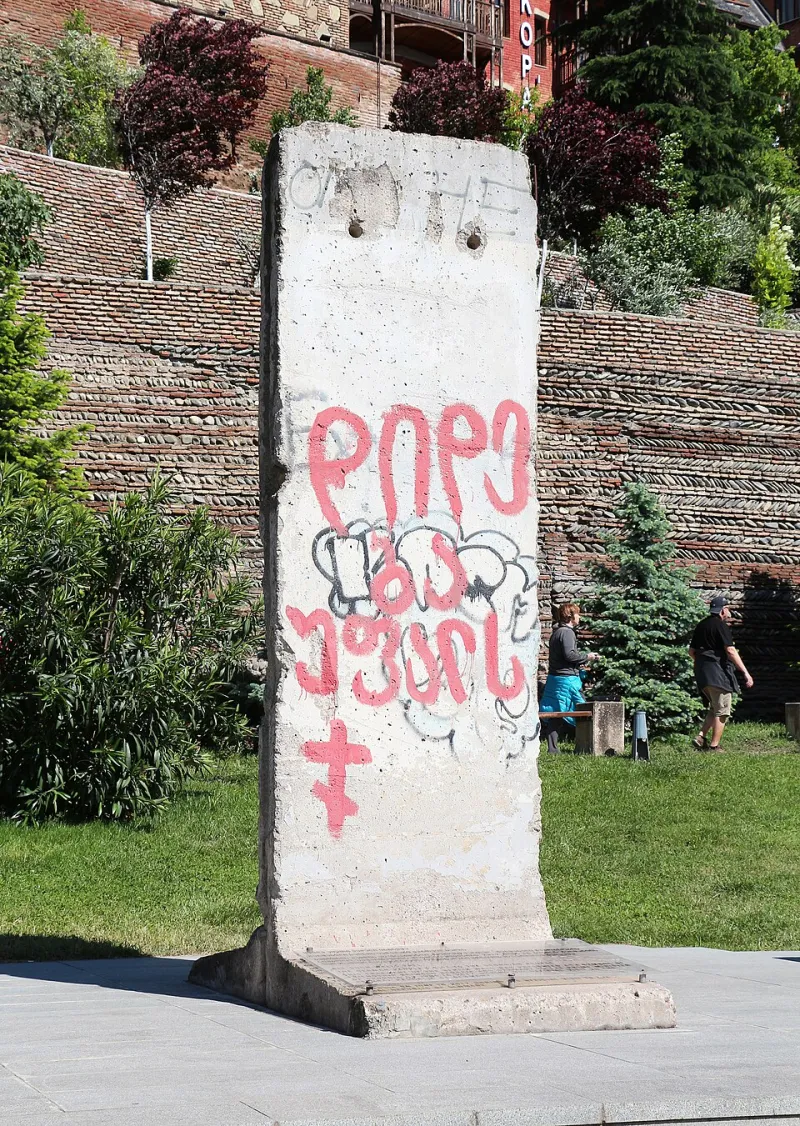
Photo: Bernard Gagnon, CC BY 4.0, via Wikimedia Commons
Walk enough back alleys and rail sidings in this country and you'll start noticing them: walls that hit different. Not the wildest style, not the biggest production. But something heavier. A face rendered in spray can realism. A name you've seen a hundred times on freight cars, suddenly framed in halos, angels, and dripping candlelight. A date range that's too short.
These are memorial walls — RIP pieces — and they're one of the oldest, most sacred traditions in graffiti. Nobody hands out awards for them. Nobody films YouTube docs about them. But every writer in America knows exactly what they're looking at when they see one.
A Tradition Older Than Most Crews
Memorials have been part of the culture since the earliest days of New York writing, when the scene was losing people to street life, violence, and the trains themselves. As the culture spread coast to coast — through LA, Chicago, Philadelphia, the Bay — the tradition came with it, folding in each city's own visual language.
The formula is recognizable anywhere in the country: the fallen writer's tag front and center, usually painted by a crewmate in a style they'd have respected. Their birth year and the year the streets took them. Portraits drawn from photos passed around group chats. And always, always the tag itself — because in this culture, the name is the person.
Some of these walls are massive productions, whole-crew collaborations with backgrounds, clouds, and lettering that took weekends to complete. Others are small: a single throw-up with a halo scrawled above it at 3 a.m. by someone who couldn't sleep. Both count. Both matter.
Keeping the Name Alive
Here's what separates graffiti memorials from a headstone in a cemetery: a gravestone sits still. A tag doesn't have to.
Crews keep fallen members "up" in ways the general public rarely thinks about. That might mean repainting the memorial itself when it fades or gets crossed out. It might mean hitting the dead writer's tag alongside their own on every wall they paint — a quiet signature that says he's still with us. Freight writers have sent entire boxcars down the line as rolling tributes, names riding the rails through states the writer never made it to.
There's a term for it in the culture: keeping someone alive. As long as the name keeps going up, the person isn't really gone. For a subculture built on visibility and memory, that's not just sentiment — it's the whole point.
The Etiquette Nobody Writes Down
Graffiti runs on unwritten rules, and the ones around memorials are enforced harder than most.
You don't paint over an RIP piece. Ever. Not for a better spot, not for a bigger name, not because the wall's been hit a dozen times already. Writers who've built entire reputations on going over anything will steer their around a memorial wall like it's wet cement. Cross one out and you're not just beefing with a crew — you're announcing to the whole scene that you don't understand the culture you're painting in.
You don't tag on top of it either. Even adding your own name near a memorial, without connection to the person, reads as disrespectful. If you weren't invited in, stay out.
If you're crew, you maintain it. Memorials fade. Sun bleaches the portraits, buff crews circle back, weather does what weather does. The responsibility of keeping a fallen writer's wall fresh falls to the people who knew them — and a crew that lets a memorial rot is a crew that's forgotten something important.
What These Walls Say About the Culture
Outsiders have spent decades painting graffiti as vandalism, as noise, as ego. Memorial walls are the counterargument written in ten-foot letters.
These are works made with zero upside. No clout. No followers. No gallery deal. The person being honored can't see it, can't rep it, can't benefit from it. Every RIP wall is pure expression — grief, love, and loyalty rendered in paint that will eventually be buffed, faded, or painted over by the city.
And the writers know that. They paint them anyway.
There's something uniquely American about it too. These walls dot cities from the Bronx to Compton to the South Side of Chicago, marking losses to violence, addiction, illness, and the simple hazards of a life lived outside. They're folk monuments, built by hand, for a population that doesn't always get official memorials.
Next Time You See One
If you spot a memorial wall around your city — and you will, once you know what to look for — treat it like what it is. Take the photo. Learn the name. Maybe look the writer up, because chances are good there's a decade of flicks online showing a style that got cut short.
The culture has a saying that shows up on these walls more than any other: legends never die. On the streets, that's not a slogan. It's a maintenance plan. As long as there's paint in the can and a crew that remembers, the name keeps going up — and the dead keep talking.


