Sixteen and Bombing: The Phone-First Generation Rewriting Graffiti's Rulebook
Photo: Internet Archive Book Images, No restrictions, via Wikimedia Commons
There's a moment every writer remembers: the first time paint actually hit the wall. For decades, that moment happened because somebody older took a chance on a kid — let them hold the ladder, carry the cans, maybe fill in a background on a midnight wall run. That was the apprenticeship. That was how the culture passed itself down.
Now? A fourteen-year-old in suburban Ohio can watch a handstyle breakdown over cereal, pause a can-control tutorial seventeen times, and have a fuller technical vocabulary than some writers who've been at it for years. The mentor moved. It lives in a phone now.
The Algorithm Is the Old Head
Scroll the right corner of TikTok and you'll find spot checks filmed from moving cars, paint-mixing science, caps explained like camera lenses, and veterans breaking down letter structure frame by frame. Some of these creators have audiences that mid-career muralists would kill for. The comments sections read like a digital blackbook session — crits, callouts, and the occasional "you're snitching on spots" argument.
"I learned more from a three-minute video on drop shadows than I did in two years of just copying flicks off Google," says Mia, a sixteen-year-old writer from outside Phoenix who asked that we use her tag, not her name. She's never met a crew. She's never had someone stand next to her and say loosen your wrist. She has, however, traded DMs with writers in three countries.
That's the trade happening in real time: proximity for access, tradition for scale.
What Gets Lost When Nothing Gets Passed Down
Ask anyone who came up in the nineties scene and they'll tell you the apprenticeship taught more than technique. It taught etiquette. Who paints where. What happens when you go over the wrong person. How to move at night. How to shut up. The old heads weren't just teaching can control — they were teaching consequences.
A feed can't do that. A video can show you how to cut a clean outline, but it can't grab your arm when you're about to paint over a memorial wall. The unwritten rules — the ones that keep the culture from eating itself — don't compress well into a vertical clip.
There's a safety dimension too. Veteran writers learned to read a yard, to spot a cop car's silhouette, to know when a spot was heat. Teens learning from tutorials are learning spots from the same videos thousands of other kids are watching. The spot that goes viral dies overnight, sometimes buffed, sometimes crawling with newcomers and police attention alike.
The Upside Nobody Wants to Admit
Still, it's worth being honest about what the phone-first generation gains. The old mentorship model was gatekeeping whether we like to admit it — and gatekeeping in a culture built by marginalized kids in the Bronx and Philly was always a loaded thing. Teen girls, rural writers, kids in towns without a single active crew: the feed handed them the keys without asking anyone's permission.
The technical floor has also never been higher. Fifteen-year-olds today are doing color blends and can control that took writers a decade to figure out in the eighties. The craft is accelerating, not dying.
So Does Graffiti Survive the Group Chat?
The culture has absorbed every format shift thrown at it — from subway yards to freights to Instagram flicks. This is just the next one, messier and younger than the last. The writers who worry are the ones who remember what it felt like when somebody vouched for them. The writers who don't worry have never known anything else.
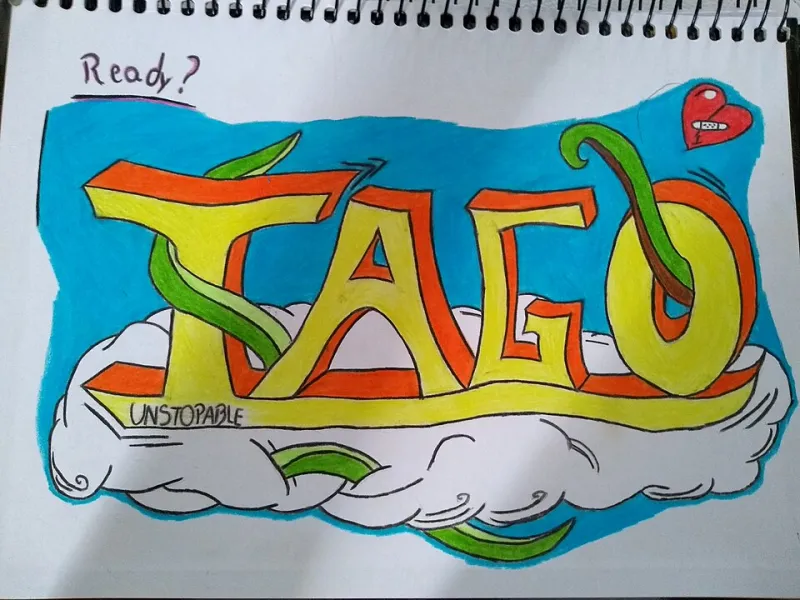
Maybe the answer is both. The feed teaches the hand. Somebody, eventually, teaches the code. And somewhere in a quiet suburb right now, a kid is rewatching a burner video for the hundredth time, sketching letters in a school notebook, about to become the next name on a wall nobody expected.