Permission Slips and Paint Fumes: When the Wall Owner Comes to You

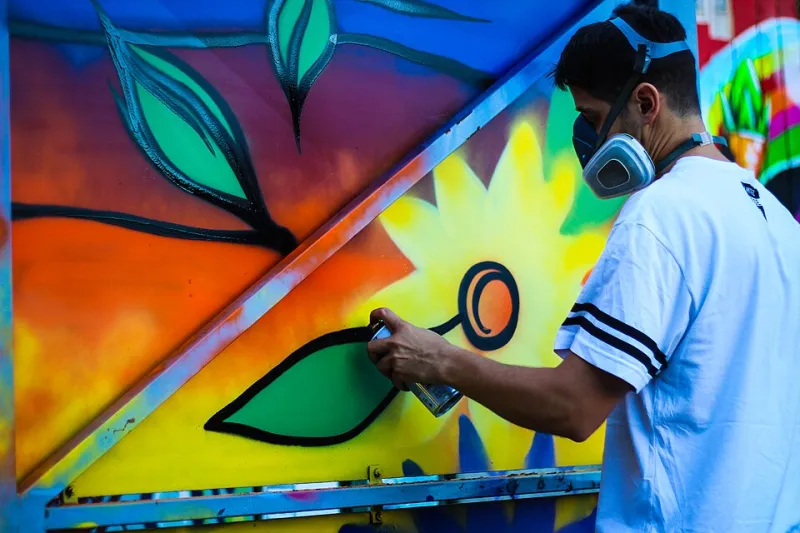
Photo by Photo by Juho Luomala on Unsplash on Unsplash
It usually starts the same way. A DM at midnight. A voicemail from a number you don't recognize. Somebody saw your work — the piece you did last spring, the one the internet found before the buff truck did — and now they want that energy on their building.
Except now there's paperwork. And a budget. And a cousin of the owner who "has some thoughts on the color scheme."
Welcome to the weirdest rite of passage in graffiti culture: the moment a writer goes legit, one phone call at a time.
The Call You Never Expected
Every writer has a version of this story. You spend years painting at 3AM with your hood up, checking for patrol cars, and then one day a property owner slides into your mentions offering you a wall — in daylight. With a ladder. Sometimes with coffee.
The reaction is rarely pure excitement. There's a flicker of suspicion first. Is this a setup? Is the county trying to serve papers? Then comes the strange vertigo of being invited somewhere you trained yourself to trespass.
One writer from Detroit put it bluntly: "The first time a shop owner asked me to paint his store, I thought it was a prank. I showed up with two friends just in case. Turns out he just hated the taggers who kept scribbling on his shutters and figured the guy with the good pieces could do better."
Fair assumption. Also fair: the $300 he offered for a wall that took four days.
What Do You Even Charge?
Here's where the romance collides with reality. Most writers learned their craft illegally, which means nobody taught them invoicing, deposits, or what to do when a client says "we'll trade you exposure."
The numbers are all over the map. A small business in Albuquerque might offer $500 for a storefront mural. A restaurant group in Austin might offer $8,000 — or $400, if they're the kind of people who think spray paint is cheaper than a bucket of Behr. County commissions are notorious for lowballing; one writer described being offered less per square foot than the janitor who'd later mop the hallway.
The veterans have advice that sounds boring until you need it:
- Get it in writing. Even a one-page agreement beats a handshake. Who owns the wall? Who owns the image? How long does the piece stay up?
- Charge for materials. Paint for a proper mural runs hundreds of dollars. Montana cans aren't a charity.
- Sketch approval upfront. Nobody wins when the client sees your wildstyle for the first time on a 40-foot wall.
- Factor in the wall itself. Bare brick, peeling stucco, a leaky gutter overhead — bad walls eat time and money.
And the biggest one: keep some rights. If a client owns your mural outright, they can paint over it next week, or worse, sell a photo of it to a brand without cutting you in. Writers who've been burned now write image rights into every deal.
The Lawyer Email Problem
Once real money enters the picture, so do real lawyers. Writers describe getting 12-page contracts for murals that pay less than a used iPhone. Indemnification clauses. Morals clauses. One artist was asked to warrant that his mural "would not disparage the client's competitors" — for a piece featuring a cartoon pigeon.
The tension is real: graffiti culture runs on instinct and improvisation, while commission culture runs on liability and review. A writer who spent a decade perfecting a handstyle suddenly needs to understand what "work made for hire" means in copyright law.
The smart ones adapt without surrendering. They negotiate. They keep their sketchbook rights. They learn to say "that's a licensing conversation" without laughing.
Does Permission Change the Paint?
Here's the question that divides every crew dinner table: when nobody's chasing you off the wall, does the work come out different?
Some writers swear it does. No adrenaline, no stakes, no reason to paint fast and loose. One Philly writer compared legal walls to "practice with a witness." Another said painting in daylight felt like "performing surgery in a fishbowl."
But plenty of others say the opposite — that permission freed them to go bigger, spend more time on detail, and actually finish ideas they'd been forced to rush for years. A burner you have three nights to complete is a different animal than one you can live with for a month.
The honest answer: it changes the why, not the what. Illegal painting is about presence — claiming space, being seen on your own terms. Commissioned painting is about translation — bringing that same voice to someone else's stage. The best writers treat a paid wall like a solo show they got to curate, not a homework assignment.
The Real Flex
There's a lingering stigma in the culture — the idea that going legal is softening, that the true writers stay in the yards and under the bridges. But talk to the people actually doing it and the story gets more complicated.
The writers thriving in the commissioned world aren't the ones who abandoned graffiti. They're the ones whose illegal years built a style so distinct that property owners came hunting for them. The name on the wall earned the phone call. The permission came later, as a consequence, not a compromise.
And every commissioned mural that holds a wall down — that survives a decade, that becomes a neighborhood landmark — quietly proves the culture's value to people who'd never set foot in a train yard.
So when that 3AM call comes, take it. Just read the contract first.