Paper Trail: The Quiet Market Where Graffiti Sketches Trade Like Blue-Chip Stock
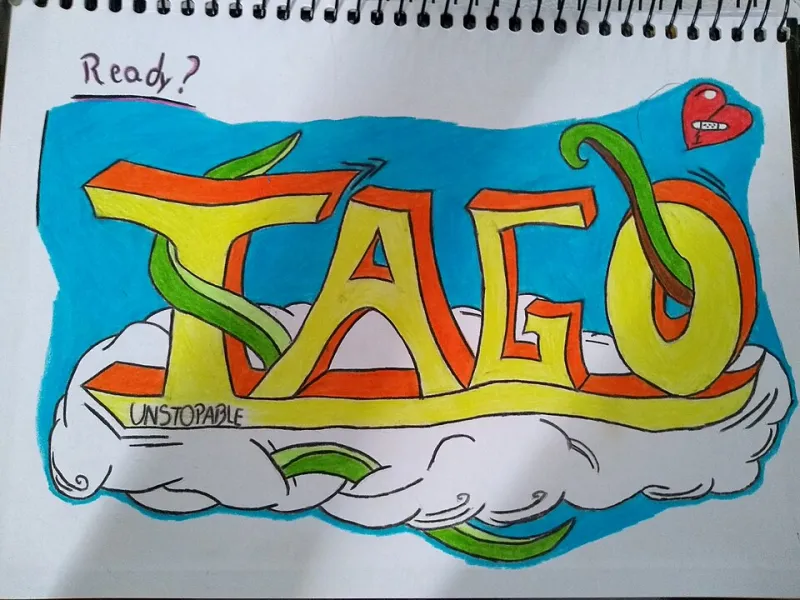
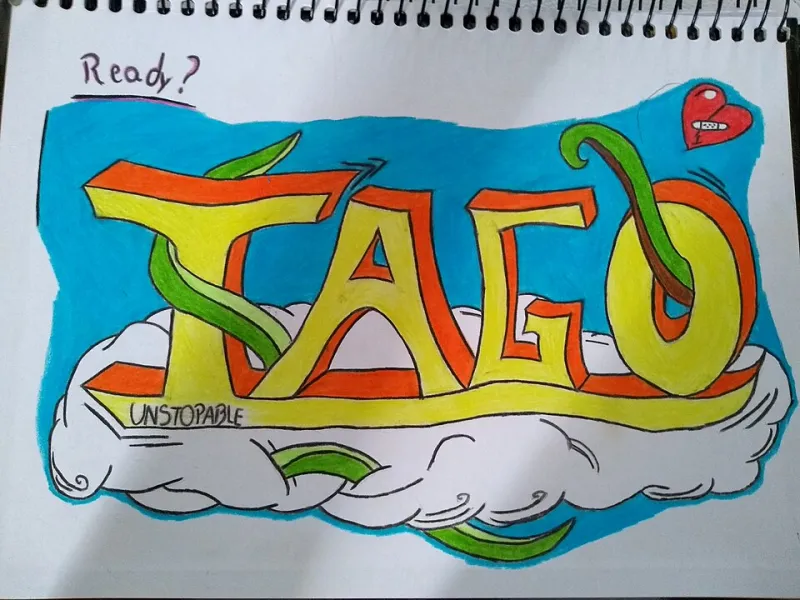
Photo: Iago Gutjahr, CC BY-SA 4.0, via Wikimedia Commons
The Original Currency
Before there were follower counts, there was the mailman. If you were a writer in 1988 trying to get your name next to a king's name, you didn't slide into anything—you licked a stamp, folded a sketch into an envelope, and hoped the person on the other end considered you worth the paper.
That's the blackbook trade: a decades-old exchange economy built on markers, ink, and mutual respect. And while the feed may have replaced the letter as graffiti's primary communication channel, the paper game never died. It just went quiet.
Walk into any serious writer's apartment in Philadelphia, Detroit, or the Bronx and you'll find it—boxes, binders, flat files stuffed with original sketches. Some are throwaway doodles from old friends. Some are handstyles from writers who haven't touched a wall in twenty years. A few, if you know what you're looking at, are worth real money.
How a Trade Actually Goes Down
The mechanics haven't changed much since the heyday of zine classifieds and pen-pal lists. Writer A sends Writer B a sketch—usually a full-color piece on paper, sometimes just a tag or a throw-up outline. Writer B sends one back, either immediately or whenever the mood strikes. The unspoken rule: don't be a leech. If you're trading with a legend, your side of the deal better bring something to the table, whether that's skill, hustle, or hookups.
What's changed is the logistics. Trades that once took six weeks through the USPS now happen in group chats and niche forums, with photos shared before anything ships. The mail still matters—there's no substitute for holding the original—but the handshake starts online.
And the stakes have gone up. A sketch from a recognized pioneer, especially one tied to the early freight or subway eras, isn't pocket change anymore. Collectors have been known to trade triple digits, sometimes more, for a single sheet. Ask around and you'll hear stories of sketches bartered for tattoo sessions, camera gear, even rent money.
The Collectors Nobody Talks About
Here's the part the culture doesn't always like to say out loud: there are people—some of them writers, some of them not—who have spent thirty years quietly hoarding original graffiti on paper. Flat files in Brooklyn. Climate-controlled closets in the Bay. Collections that, if the museum world ever fully came knocking, would rival any curated exhibition of the movement.
These aren't the tourists buying canvas prints at a gallery opening. These are archivists with street credibility, people who traded their own sketches for years before they ever started buying. Some are sitting on pieces by writers who are now dead, incarcerated, or simply vanished—and in a lot of cases, that sketch is the only clean record of that hand that exists.
That's what makes the blackbook economy more than a hobby. It's the paper archive of an art form that is, by design, temporary. Walls get buffed. Trains get scrapped. But a sketch on a page? That survives.
What Makes a Sketch Worth Something
Ask five collectors what drives value and you'll get five answers, but a few threads come up every time:
- Provenance. A sketch with a story—who it was traded to, when, why—beats a sketch with a mystery behind it.
- The name. Graffiti is a hierarchy, and the paper market reflects it. A doodle from a household name in the culture can outprice a full-color piece from somebody unknown.
- Condition and era. Early work, especially anything tied to the transit golden years, carries a premium.
- The hand. Collectors obsess over handstyles the way font nerds obsess over typefaces. A tag that moves right is worth more than a piece that doesn't.
There's no price guide, no auction house, no standardized anything. Value gets negotiated person to person, deal to deal—which is exactly how the culture likes it, and exactly what makes it fragile.
The Tension Nobody Resolves
Purists will tell you the blackbook trade was never supposed to be about money. It was about connection—one writer honoring another with ink and time. Putting a dollar figure on that feels, to some, like a small betrayal of the whole thing.
Others shrug. Writers sell canvases. Writers paint commissioned murals. Why should the paper be sacred when the walls never were?
Both camps are probably right, which is why the trade keeps doing what it's always done: operating in the gray, running on trust, one envelope at a time. The feed made graffiti visible to everyone. The paper trail is where the culture still keeps its secrets.
If you know, you know. And if you don't—start filling up a blackbook. You'll need the collateral.