From Racks to Riches: The Surprisingly Serious Business of Selling Spray Paint to Outlaws
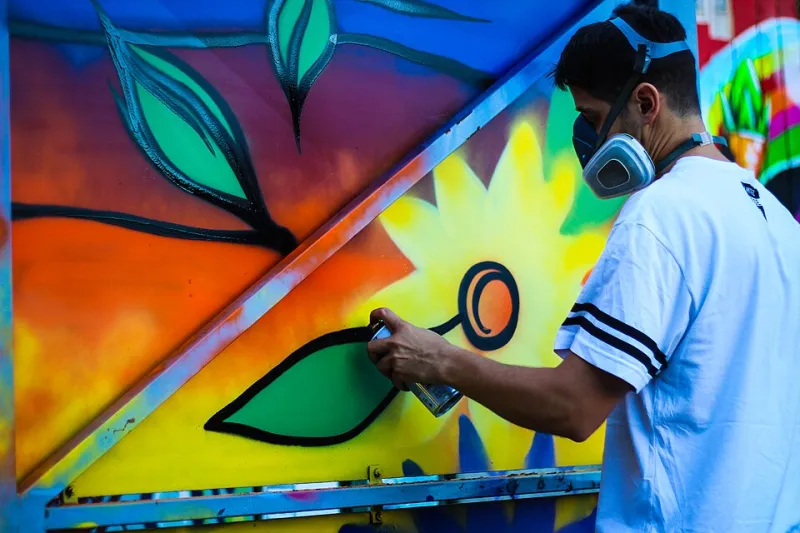
Photo: Maxime Bhm maximebhm, CC0, via Wikimedia Commons
Walk into any legit graffiti supply shop in America — think Ironlak's old LA outpost vibes or a hole-in-the-wall spot in Bushwick — and you'll notice something strange. The paint behind the counter costs more than the fine you'd pay if you got caught using it on the wrong wall.
A single can of premium, wall-engineered color can run anywhere from fifteen bucks to north of two hundred for rare, discontinued, or collaboration runs. That's not a typo. That's the market.
When the Paint Became the Point
For decades, the unwritten rule was simple: writers rack their paint. Shoplifting cans from hardware stores was practically a rite of passage, baked into the culture's DNA the same way bombing trains was. You didn't buy your colors. You acquired them.
Then two things happened. Cities started prosecuting supply shops, and writers started getting older with disposable income. Somewhere in the early 2000s, the math changed. If you're a 34-year-old with a salary and a legal wall permit, why risk a misdemeanor at Home Depot when you can order a case of paint mixed specifically for concrete?
Enter the boutique brands. Companies like Montana Colors (MTN) and Molotow didn't just repackage hardware-store spray — they engineered valves for higher pressure, matte finishes that don't drip in summer heat, and pigment loads built to survive a decade of weather on a brick wall in Detroit. This wasn't paint for painting your fence. This was paint for making history.
The Resale Game Nobody Saw Coming
Here's where it gets genuinely wild: discontinued caps and inks now trade like limited-edition Jordans.
New York Thins — the fat caps that defined whole eras of NYC subway writing — stopped being manufactured years ago. Original stock gets hoarded, sold in lots, and flipped online. A bag of vintage caps can fetch prices that would make a sneaker reseller blush. Same with certain inks and out-of-production paint lines. There are Discord servers and Instagram pages dedicated entirely to sourcing, trading, and authenticating this stuff.
"It's like beanie babies, but with more felony energy," one East Coast shop owner told us, laughing. He asked not to be named — old habits. "Guys will drive three hours to trade caps. Three hours. For plastic nozzles."
Shop Owners Walking a Tightrope
Running a graffiti supply store in the US means living in a legal gray zone that never quite resolved. Sell paint to minors? Some states restrict it. Post your inventory online? You're advertising to a customer base that includes — let's be honest — people doing illegal things with the product.
The shops that survive tend to be culture-first. They host legal wall jams, sponsor events, employ actual writers, and treat the scene like a community rather than a market. The best ones become de facto archives — shops where you can learn which paint eats through which clear coat, or which brand's white is the truest white for outlines.
What Gets Lost When It's All Legit
Not everyone's celebrating. There's a real tension in the culture about what happens when the supply chain goes corporate. Graffiti was born from scarcity and theft — the hustle was part of the art. When your paint is delivered by FedEx and your caps come with a certificate of authenticity, does something essential evaporate?
One veteran writer put it bluntly: "We used to paint because we had to steal to do it. Now kids paint because they saw a kit on TikTok. Different fire."
But the counterargument writes itself: better paint means better walls that last longer. Legal supply means writers can go pro, get commissioned, and build careers without an arrest record following them. The Museum of Graffiti in Miami exists partly because the culture professionalized its own tools.
The Bottom Line
The graffiti supply economy is now a genuine industry — boutique manufacturers, specialty retailers, a resale market, and a customer base willing to pay art-supply prices for aerosol. It grew out of a subculture built on taking what wasn't yours, and it now funds the very walls that keep the culture visible.
The paint costs more than the fine. The writers pay it anyway. Make of that what you will — but don't act surprised. Graffiti was always about making something out of nothing. Now it's just making something out of something, too.