The Other Side of the Badge: A Graffiti Cop's Confession

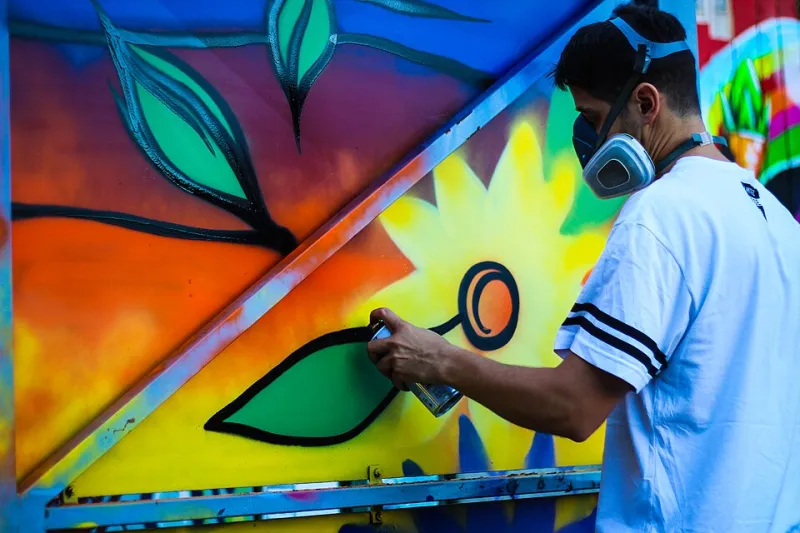
Photo by Photo by Albert Stoynov on Unsplash on Unsplash
The cop's flashlight catches a fresh throw-up on the tunnel wall, and he does something unexpected: he stops to admire it.
"Clean fills, good can control," he says, half to himself. "Kid's got hands."
Then he photographs it, logs it into the case file, and moves on. This is the strange dual existence of the graffiti investigator — a cop who has spent more nights in freight yards than most writers, and who can read a hand style the way a sommelier reads a label.
Learning the Alphabet of the Underground
Transit cops who work graffiti don't start out knowing a piece from a throw-up. They learn the way anyone learns: repetition, obsession, and a lot of squinting at walls.
Over the years, veteran investigators build mental databases that would impress any archivist. They memorize taggers' hands the way other people memorize faces. They know which crews run which lines, which writers only come out after rain, and which names are retired — dead men's tags that still surface on walls like ghosts.
One detective described it as "collecting baseball cards, except the cards commit felonies."
The knowledge cuts both ways. Cops learn the slang, the hierarchies, the unwritten rules about not covering someone's burner. Some admit they can spot a writer on a platform just by the paint stains on his jeans or the way he walks the platform edge, checking sightlines.
The Chase Nobody Talks About
The popular image is a dramatic arrest — flashlights, sirens, a kid tackled against a train car. The reality is mostly paperwork, patience, and waiting.
Graffiti cases are built over months. Investigators photograph walls on their days off. They subpoena supply records. They trace a single tag across three counties until a pattern emerges. It's detective work at its most obsessive, and the best investigators are the ones who genuinely enjoy the puzzle.
And here's the part that rarely makes the news: sometimes they root for the ones who got away.
"There was a writer I chased for two years," one officer admits. "Never caught him. Best I ever saw. When he finally went legit — started doing commissioned murals downtown — I'll be honest, I was glad. Part of me was rooting for him the whole time."
Grudging Respect in a War of Attrition
Ask enough veteran cops and a pattern emerges: the longer they work graffiti, the more complicated their feelings get.
They've watched cities buff masterpieces and leave concrete gray for years. They've seen genuine artists treated like violent offenders, and weekend taggers treated like folk heroes. They understand, better than most, the difference between a kid with a marker and a painter with a vision — even if the law doesn't always draw that line.
That doesn't mean they've gone soft. Most will tell you the damage is real: the cleanup costs, the windows etched with acid, the trains pulled from service. They have a job, and they do it.
But there's a recognition, too — a shared understanding between the hunter and the hunted that both of them are out there at 3 a.m. because the walls matter to them. Just for opposite reasons.
When the Game Ends
The best story we heard came from a sergeant nearing retirement. Over his career, he arrested dozens of writers. One of them — a kid he caught bombing a layup back in the nineties — went straight, went to art school, and eventually opened a studio.
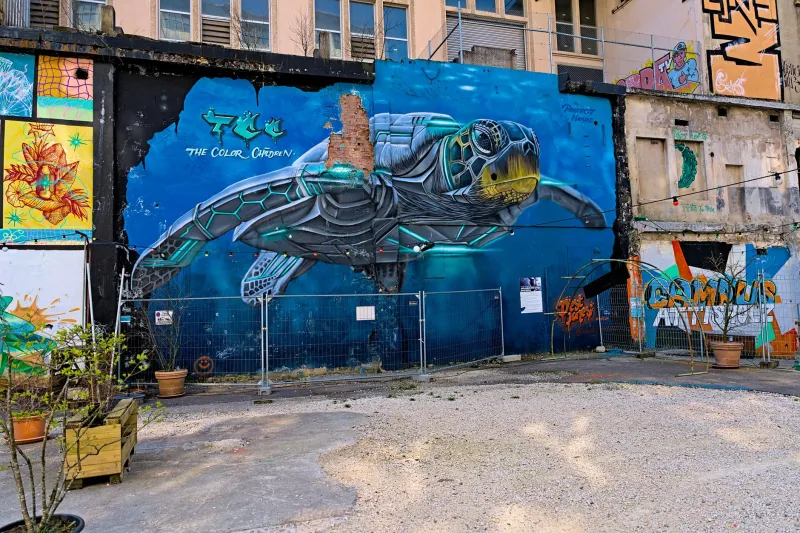
A few years ago, the city hired that same artist to paint a massive mural on a transit building. The sergeant walked past it every day on his way into the station.
"My arrest is partly why he got his act together," he says. "Or maybe he was always going to get there, and I just slowed him down. Either way — that's a hell of a mural."
He pauses, then adds the closest thing to a mission statement you'll ever hear from the other side of the graffiti war:
"I didn't love catching them. I loved the chase. Turns out we had that in common."
The walls keep getting painted. The cops keep looking. And somewhere in the gray area between the badge and the can, there's more mutual respect than either side will ever admit out loud.