Steel Canvas Kings: The Freight Writers Who Cashed In Without Selling Out
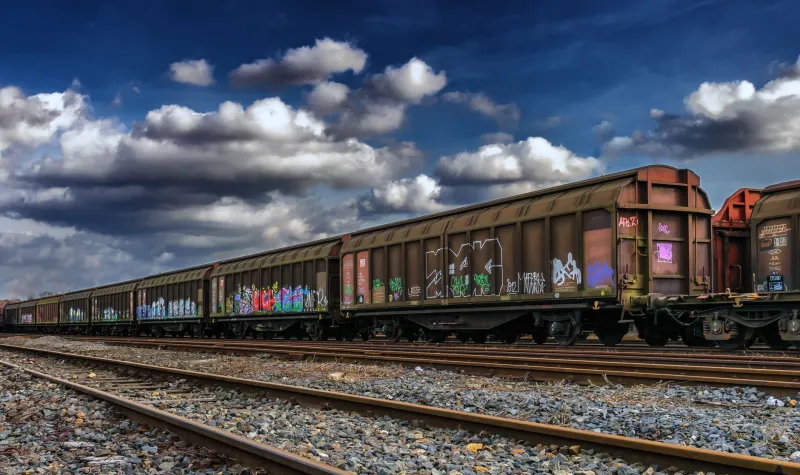
There's a moment every freight writer knows. You're crouched in the gravel beside a rusty boxcar at 3 a.m., paint can rattling in your hand, ears tuned for the crunch of security boots on ballast. That moment doesn't exactly scream 'future museum career.'
And yet here we are.
Walk into certain galleries in Chelsea or the Arts District these days and you might spot work by artists who learned their craft on moving steel. The Museum of Contemporary Art in Los Angeles has acquired pieces from writers who spent their twenties dodging railroad police. Auction houses have quietly started listing 'written on the rails' provenance like it's a wine vintage — because to collectors, it kind of is.
Why the Rails Hit Different
Ask any collector why a freight piece commands a premium over a canvas and the answer usually comes down to one word: stakes.
'Painting a canvas in your studio is a choice,' says one Miami-based collector who's built a serious freight-art collection over the last decade. 'Painting a train in a dark yard in Detroit in January is a compulsion. You can feel that in the work.'
There's also the romance of the object itself. A panel cut from a boxcar has traveled — maybe tens of thousands of miles, past cornfields and switching yards, seen by heads in towns that never see a gallery. That rolling exhibition, what old-school writers called 'sending your name on a tour,' has a mythology no white-wall piece can replicate.
The Credibility Tax
But the climb from yards to galleries comes with friction, and a lot of it is internal.
Talk to writers who've made the jump and a theme keeps surfacing: the fear of being called a sellout by the same culture that raised them. One East Coast artist, who asked that we keep his writer name out of print, put it bluntly: 'The second you take a check, somebody from your old crew is asking if you still got it. So you keep painting freight. You keep proving it.'
That's why many of the most successful transitions run on a dual track. The gallery work pays the bills; the yard work keeps the reputation alive. Several established names still post 'benchers' — photos of their pieces spotted rolling through middle America — as a kind of ongoing authenticity receipt.
Museums, for their part, have gotten savvier about this tension. Curators increasingly partner directly with writers rather than pulling work from third-party dealers, and some institutions now credit artists by their full writer names, a small act of recognition that carries real weight in the culture.
How the Market Learned to Stop Worrying
The commercial shift didn't happen overnight. It built through the 2010s as street art went mainstream and auction results made headlines. But freight work held a specific appeal for a new class of buyer: younger collectors who wanted the graffiti, not just the graffiti-adjacent.
Galleries took note. Dealers now scout rail yards — legally, from public crossings — the way scouts once haunted downtown rooftops. Some artists cut panels from retired cars and finish them in studios, creating hybrid pieces that carry yard cred without the legal exposure. Others sell studies and sketches of famous rolling pieces, letting the original live on only in photos and memory.
Prices vary wildly. A documented panel from a legendary writer can fetch five figures easily; top names with museum shows behind them have crossed into territory their younger selves would find absurd.
The Culture Keeps Rolling
Here's the thing though — freight bombing hasn't died because its veterans got gallery representation. If anything, a new generation is out there, paint in hand, chasing the same rolling gallery their heroes chased. The yards don't care about your auction results.
And maybe that's the healthiest part of this whole story. The museums can have the panels. The market can have the sketches. The rails still belong to whoever's brave enough, at 3 a.m., to put their name on steel and let America carry it down the line.
The canvas just keeps moving.