Painting the Ruins: Inside America's Abandoned Buildings Where Graffiti Goes to Die Beautifully

Photo by Photo by Jeff Kauffman on Unsplash on Unsplash
There's a specific sound an abandoned building makes when you're the only one in it. Your footsteps echo off peeled paint and shattered tile, water drips somewhere you can't see, and every few minutes the wind pushes through a broken window like the building itself is exhaling. For a certain breed of graffiti writer, that's not creepy. That's home sweet home.
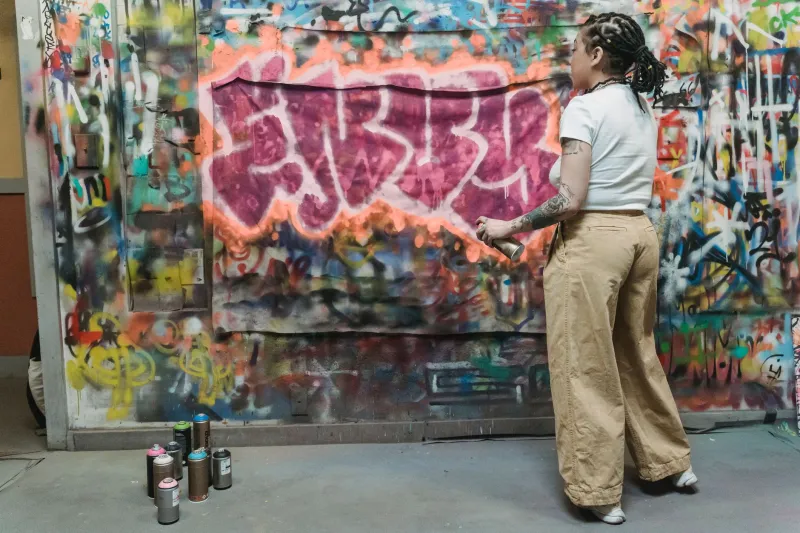
America is stacked with dead architecture — the factories that left, the malls that got outflanked by online shopping, the hospitals and asylums that closed their doors decades ago. And where the city stopped looking, the paint started flowing. These aren't sanctioned walls with a community mural grant behind them. These are spaces where writers answer to nobody, where a burner can run fifty feet without a buffer touching it, and where the only audience is whoever's brave enough to climb through the same broken fence.
Why Rot Attracts Paint
It seems backwards at first. Graffiti is an art form obsessed with visibility — with getting seen by as many eyes as possible, preferably in a high-traffic spot before the buff catches up. So why would anyone haul a backpack full of cans three stories into a building with no roof?
Because longevity hits different. On the street, your piece might live for a week. In an abandoned packing plant outside Detroit, your piece might still be standing a decade later, untouched, slowly fading under the same skylights that let the trees grow up through the loading dock. Writers call these spots "galleries" half-jokingly, but the joke has a point: it's the closest thing the culture has to a permanent collection.
There's also the freedom factor. No cops doing drive-bys. No property managers with a fresh can of gray paint. No neighbors calling in noise complaints. Just you, the structure, and all the time in the world to get the outline clean. For writers who usually paint under pressure — headlights, sirens, a lookout yelling about a security guard — a derelict space is a spa day.
And then there's the aesthetic marriage. Rust and graffiti just work together. Peeling lead paint and dripping chrome fills. A wildstyle burner splashed across a collapsed ceiling hits harder than the same piece on a pristine wall ever could. The decay isn't a backdrop — it's a collaborator.
The Spots That Became Legend
Every region has its ruin, and the famous ones read like a pilgrimage map.
Detroit's Packard Plant is probably the crown jewel. A 3.5-million-square-foot monument to the auto industry's golden age and its collapse, it's been a canvas since before most current writers were born. Entire halls are layered like geological strata — piece over piece over piece, some dating back further than anyone can confirm. Photographers have documented it for years precisely because it's the rare place where graffiti accumulates into history instead of getting erased by it.
The abandoned hospitals and asylums scattered across the Northeast — think the crumbling state institutions of Pennsylvania and New York — carry their own mystique. Long corridors, peeling institutional green, rows of tagged doorways. There's something about painting in a place that used to hold people that changes the energy. Writers talk about it in hushed tones, the way they talk about freight yards.
Dead malls are the newer frontier. As retail collapsed, these cathedral-sized shells of food courts and fountains became instant classics. A two-story atrium with skylight light and zero foot traffic? That's a wall most writers would've killed for in the nineties. Some of these spots got famous fast on social media, which is a double-edged sword — more heads making the trip also means more security, more fences, more "no trespassing" signs stapled over the good stuff.
The Wrecking Ball Doesn't Care About Your Burner
Here's the brutal part of the story: none of it lasts. That's the deal you make when you paint in a ruin.
When a city finally secures funding — or a developer finally smells money — the demolition order doesn't pause for the cultural significance of a fifty-foot production. The Packard Plant has been slowly coming down section by section. Malls get flattened for warehouses and distribution centers. Asylums get renovated into luxury condos, which might be the cruelest ending of all: the walls survive, but the paint doesn't.
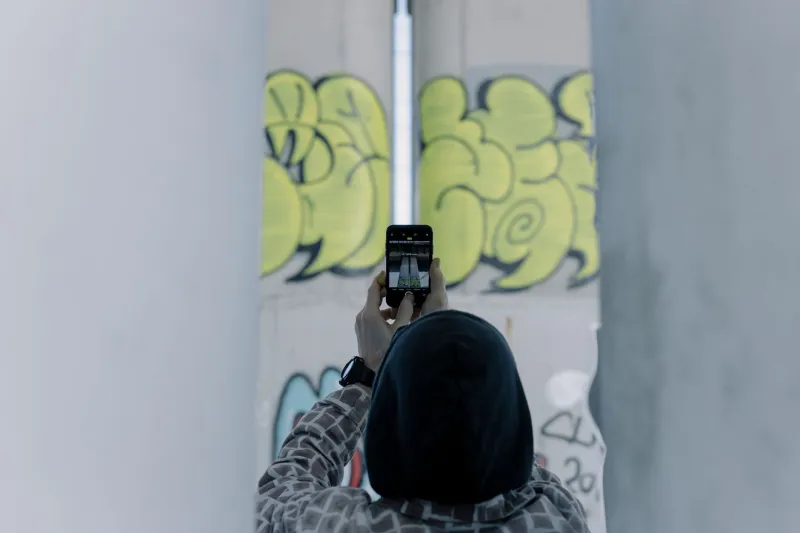
Some photographers have turned this into a mission — racing demolition schedules to document burners before the bulldozers arrive, building digital archives of art that was never meant to be permanent but deserves to be remembered. It's the same impulse that drives the people chasing the buff on live streets: if the wall can't last, the photo has to.
And maybe that impermanence is the whole point. Graffiti never asked for a museum. It was born on surfaces that get painted over, rusted out, torn down. The abandoned building just takes that ephemerality and stretches it out — gives a piece a longer goodbye than the street ever would.
So if you find yourself in a dead factory with a backpack full of paint and a flashlight between your teeth, know the tradition you're standing in. The building won't be there forever. Neither will you. But for one afternoon, in the dust and the drip and the echo, the wall is yours.
Just watch your step on the third floor. Those floors don't owe anybody anything.