Paint Is the New Landlord: The Blocks Where One Mural Rewrote the Rent Roll
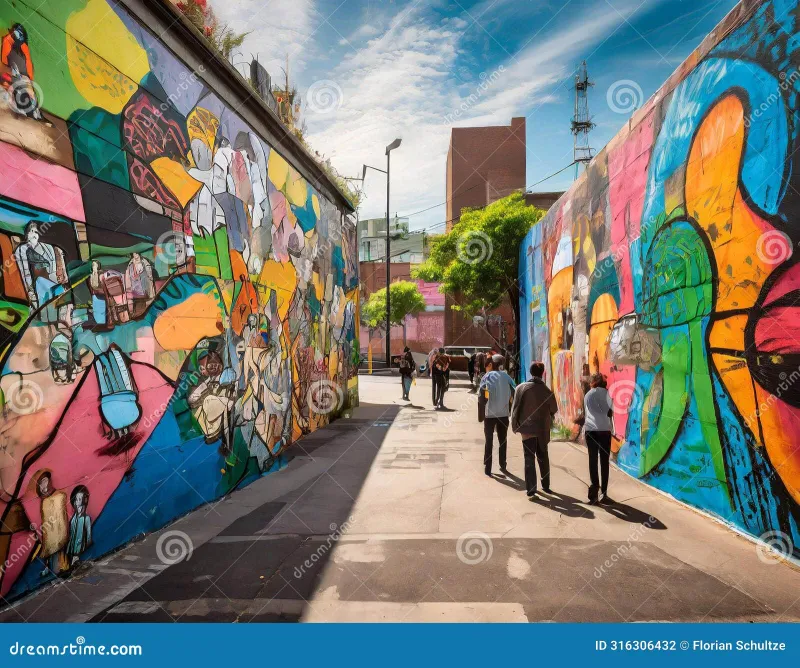
Photo: colorful street mural on urban building corner with pedestrians, via thumbs.dreamstime.com
There's a moment that happens on certain blocks in America. A delivery driver slows down. A tourist steps off the sidewalk, phone up. A bodega owner watches a stranger photograph the wall across the street for the fifth time in an hour — and starts doing math.
That math is the untold story of street art in this country. Not the art itself, which everyone photographs, but the economy that blooms around it like moss after rain.
The Wall That Became a Landmark
Ask anyone who runs a shop near a legendary graffiti hall of fame — the kind of spot where writers have been throwing up pieces since the '80s — and you'll hear the same thing: the wall outgrew the neighborhood.
In Philadelphia, the birthplace of the modern mural movement, blocks around certain large-scale works have watched foot traffic swell from neighborhood regulars to bus tours with printed itineraries. Same thing in Miami's Wynwood, where a single open-air gallery weekend grew into an economic engine that now defines the whole district. In Bushwick, the annual block party that started as a few artists painting legal walls now pulls tens of thousands of people into streets that ten years ago most New Yorkers couldn't find on a map.
The pattern is always the same. First comes the art. Then comes the photographers. Then the cafes with the exposed brick and the $7 cortados. Then the math gets complicated.
The Bodega Owner's Dilemma
Here's what nobody puts on the walking tour brochure: the mural is free, but the neighborhood isn't.
Talk to longtime shop owners and you'll get two answers, sometimes from the same person in the same conversation. Yes, business is up. The wall brings people who buy something. But the landlord sees those tourists too — and the rent conversation changes fast.
One corner store owner near a well-known piece put it plainly: "The art brought the people, the people brought the rent. I'm not sure I'm invited to what comes next."
That's the tension. Street art was supposed to be the culture of people locked out of the money. Now the money shows up and starts bidding.
Who Gets the Check?
Follow the dollars and it gets uncomfortable quick. The artist who painted the wall — often for a modest fee, sometimes for paint money and a promise — watches the image end up on tote bags, Instagram geotags, and real estate listings that use the mural as a selling point. "Steps from iconic street art" is a genuine line in Brooklyn and Los Angeles listings now. The wall became an amenity. The painter didn't become a shareholder.
Some cities are trying to fix this. Philadelphia's mural program has pushed for artist stipends and maintenance contracts that keep painters involved long after the lift comes down. A few property owners now negotiate image rights up front. But those are the exceptions. The default is still: paint the wall, watch everyone else monetize it.
Meanwhile, the residents who stayed through the rough years — the ones who held the block together before it was "vibrant" — watch their coffee get more expensive and their neighbors get fewer.
The Paradox Nobody Solved
You can't argue the art doesn't help. Blocks with famous walls are safer-feeling, busier, better lit by foot traffic. Vacant storefronts fill. Cities that spent decades buffing graffiti now commission it on purpose because they watched what it does to a corridor.
But there's a difference between a block that painted its own face and a block that gets painted by outside money. The first kind keeps its character. The second kind ends up as a backdrop — a place people visit on Saturday and leave by Sunday, where the mural is the only original resident left.
How to Visit Without Killing the Vibe
If you're hunting walls on your next trip, a few ground rules from the people who live there:
- Buy something from the block, not just photos of it. The corner store that's been there thirty years deserves your money more than your hashtag.
- Ask before you shoot people. The wall is public. The family on the stoop isn't a prop.
- Learn the difference between a commissioned mural and a hall of fame. One is sanctioned public art. The other is living culture, maintained by writers, and it deserves the same respect you'd give a gallery.
- Come back. The neighborhoods that survive the mural economy are the ones where visitors become regulars, not tourists.
The wall runs the block now. Whether it runs it for everybody is the question every city in America is still painting an answer to.