The Ink Underground: How Homemade Drippers and Corroded Markers Built Graffiti's Dirtiest Look
Every city has a corner store with a rack of markers behind the counter. Ask for the good ones and the clerk knows exactly what you mean — the cheap ink, the drippy stuff, the tools of a trade nobody officially acknowledges.
That little transaction is the end of a long, weird story about DIY engineering. Because long before graffiti had a proper industry, it had garages, kitchen tables, and writers who were part artist, part backyard chemist.
Born From Scarcity
The early days of the culture ran on whatever worked. Paint came from hardware stores, obviously, but the real innovation happened with ink — because ink solved a specific problem: how do you get up everywhere, fast, without hauling cans?
The answer, for generations of writers, was to make it yourself.
The classic recipes read like a fever dream: shoe dye as a base, sometimes mixed with brake fluid or other additives to help it bite into plastic and stay put. The container was whatever could hold it — deodorant bottles with felt jammed through the top, shoe polish tins, squeezable bottles from the dollar store.
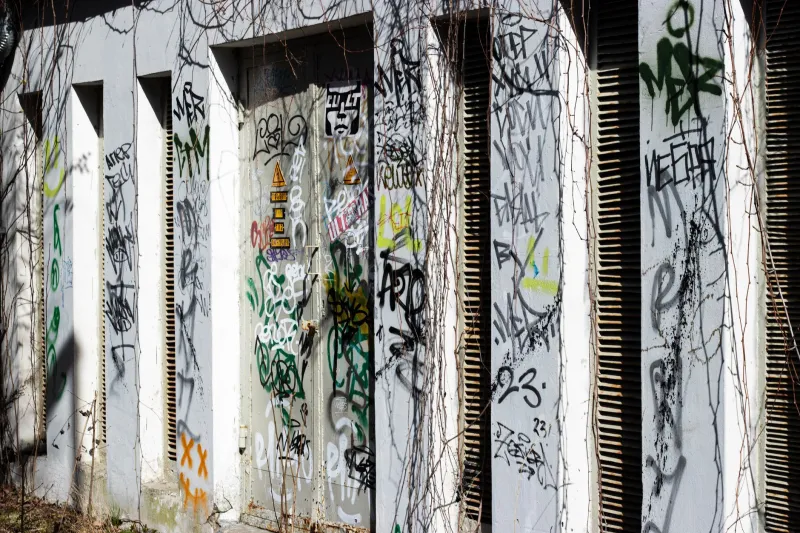
The result was the drippy, stained, slightly feral look that became part of graffiti's visual DNA. Tags that bled. Hand styles that looked like they were fighting the surface. That wasn't always intentional artistry — a lot of it was just cheap ink doing cheap ink things. But writers leaned into it, and the drip became a signature.
The Mop Head Era
The tool that arguably changed everything was the mop — a squeezable marker with a round, wide felt tip that lays down fat, wet lines. Originally improvised from household bottles, mops eventually became their own product category, sold in graffiti shops and online.
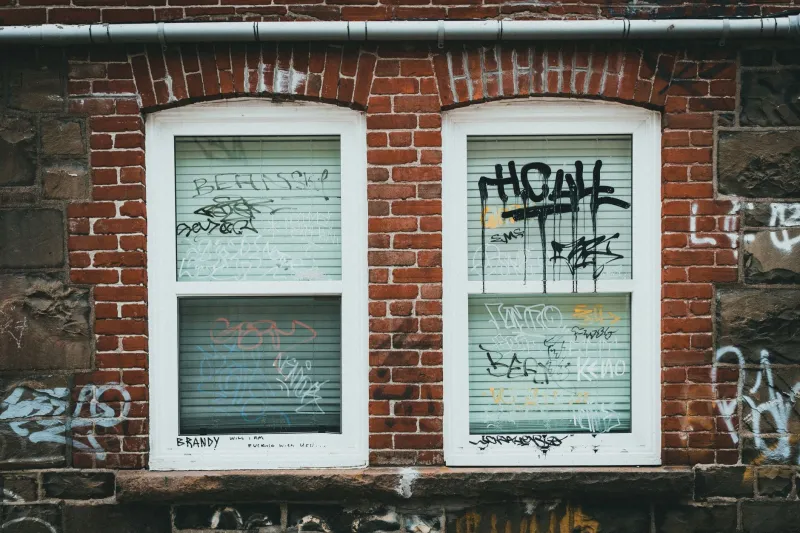
Why did they matter? Because they made tagging fast. A mop covers more surface than a pen-style marker, works on glass, metal, and plastic, and leaves a mark that's hard to buff. For a writer hitting a dozen spots in a night, that's the difference between getting up and going home empty-handed.
Then came the array markers — multi-tip setups that let a writer hit a full word in one motion, perfectly consistent every time. Efficient, mechanical, and controversial in exactly the way you'd expect: purists argued that a tool doing half the work made the hand style hollow. Practicality won that argument in most cities.
The Fire Extinguisher Flex
And then there's the most notorious tool in the culture: the modified extinguisher.
Fill a fire extinguisher with diluted paint, and you've got a device that can cover a two-story wall in seconds. It's loud, it's chaotic, and it produces work that no roller or can could match in scale. It's also expensive, messy, and a one-way ticket to serious charges if you're caught — which is why it sits at the extreme end of the culture's tool spectrum, more legend than daily driver.
But the legend matters. It represents the culture's core instinct: if the tool doesn't exist, build it. If the surface resists, make an ink that doesn't.
Where to See the Evidence
Here's the travel angle, and it's a good one: you can tour American cities through the history of these tools just by looking closely.
In New York, scan the stainless steel surfaces of the subway-adjacent neighborhoods — the etch marks and ink tags on glass are the mop's fingerprint. In Los Angeles, look up on the freeway walls for the roller pieces, the big brother of the mop game. Philadelphia's hand styles, the spiritual home of the tag itself, show the mop's influence everywhere — fat, wet, confident lines that no standard marker could produce.
Even small cities tell the story. Check the backs of highway signs (from public property, folks — don't trespass), the dumpsters behind strip malls, the flood walls along rivers. The ink stains are a map of who was here, what they used, and how long ago — because good ink, the notorious kind, doesn't wash out.
The Craft Lives On
Today's ink makers operate in a strange gray zone — small companies making products that exist, functionally, for one purpose. The formulas have gotten better: more UV-resistant, more permanent, less likely to eat through the container. The mops are factory-made now, consistent and clean.
But walk into any graffiti shop in America and you'll still find writers comparing recipes, trading tips on what bites into powder-coated metal and what survives a pressure washer. The DIY instinct never left. It just got better packaging.
The tools made the look. The look made the culture recognizable from a moving car at 60 miles an hour. That's not a small thing — that's design history, written in shoe dye and saved for the people paying attention.