Throw-Ups, Burners, and Hand Styles: How to Actually Read the Walls Around You
You walk past it every day. On the way to the subway, behind the grocery store, along the freight tracks at the edge of town. Graffiti is the largest free art gallery in America, and most of us are functionally illiterate inside it.
That's not a knock — nobody's born knowing this stuff. But once you learn to read the walls, a boring commute becomes a conversation between thousands of writers, some famous, some anonymous, some long gone. Here's your field guide to decoding what you're actually looking at.
Start With the Tag: The Signature
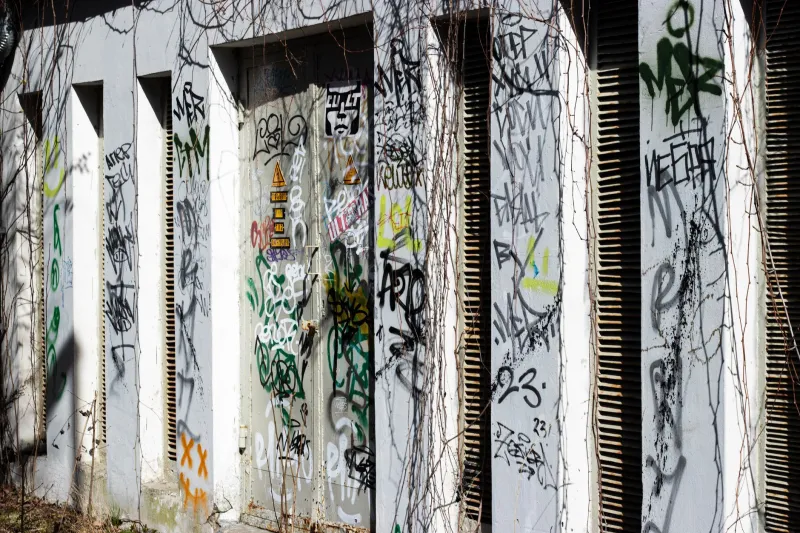
The tag is the root of everything. It's a writer's name in stylized handwriting — think of it as a signature with attitude. Tags are quick, done in one color, usually with a marker or a thin cap on spray paint. Don't dismiss them as scribbles. Hand style is a genuine craft, with regional accents and lineages you can trace like calligraphy schools. A writer's tag might evolve over decades, and veterans can spot who's who from a single letter.
Throw-Ups: Fast, Fat, and Everywhere
Level up from a tag and you get the throw-up — often called a 'throwie.' These are the bubbly, two- or three-color letter forms you see repeated along a rail line or stacked on a highway overpass. The name says it all: they're designed to be thrown up fast, sometimes in under a minute. Repetition is the point. If you see the same throwie in five neighborhoods, that writer is putting in serious mileage.
Pieces and Burners: The Gallery Work
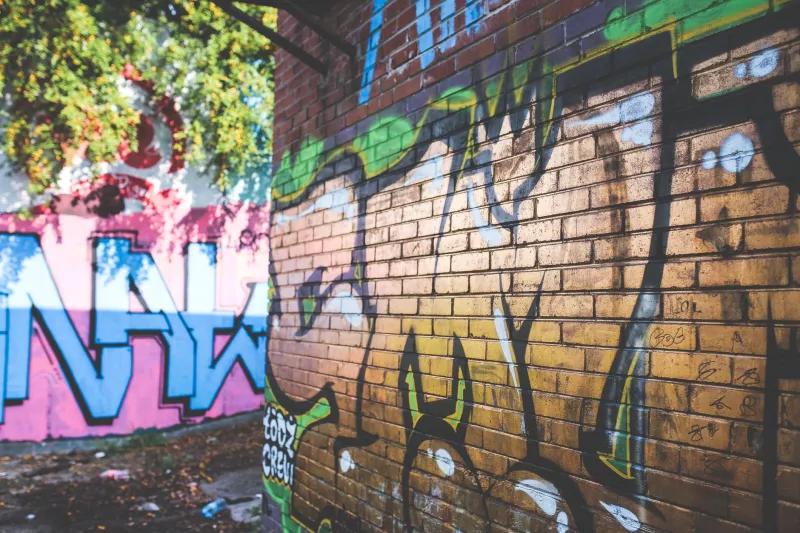
A 'piece' (short for masterpiece) is where writers show off — full-color letter productions with outlines, shadows, 3D effects, and backgrounds. A 'burner' is a piece so good it 'burns' everything around it. These take hours, sometimes days, and often involve a crew of collaborators. On a highway wall or a sanctioned mural corridor, look for wildstyle — interlocking, distorted letters that are deliberately hard to read. That's not a mistake. Decoding wildstyle is part of the game; it's art for people inside the culture first.
The Codes: Numbers, Arrows, and Crews
Now for the insider layer:
- Crew initials: Two- and three-letter acronyms like 'K2W' or 'AOD' signal a crew — a collective of writers who paint together and rep each other.
- Numbers: Writers often attach numbers tied to their name's letters (each letter converted to its position in the alphabet). Spot a 45 next to a tag and you've got a clue to the writer's identity.
- Arrows and crowns: Arrows suggest movement and flow; a crown often signals a king — a writer with serious status. Cross-outs and crowns over someone else's name? That's beef, and it's been documented on walls for fifty years.
- 'One-up' culture: See the same tag slightly higher than another on a strip of walls? Writers compete for height, quantity, and reach. It's a leaderboard written in paint.
Where You See It Matters
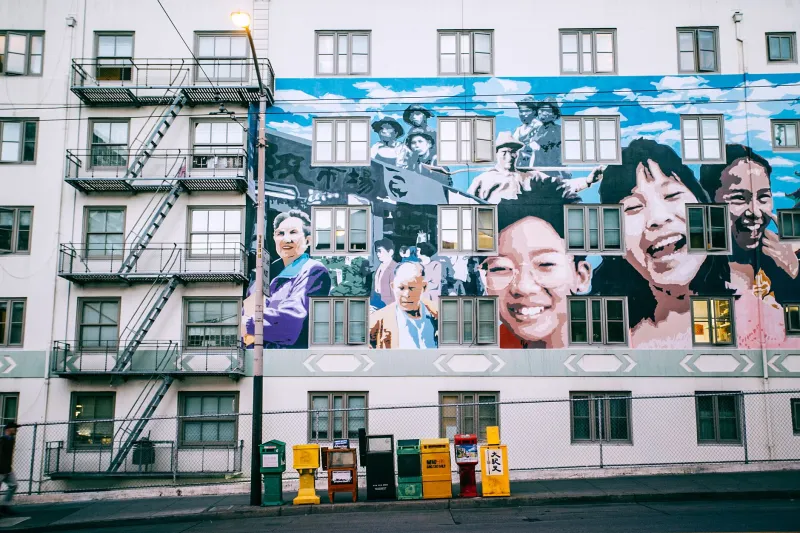
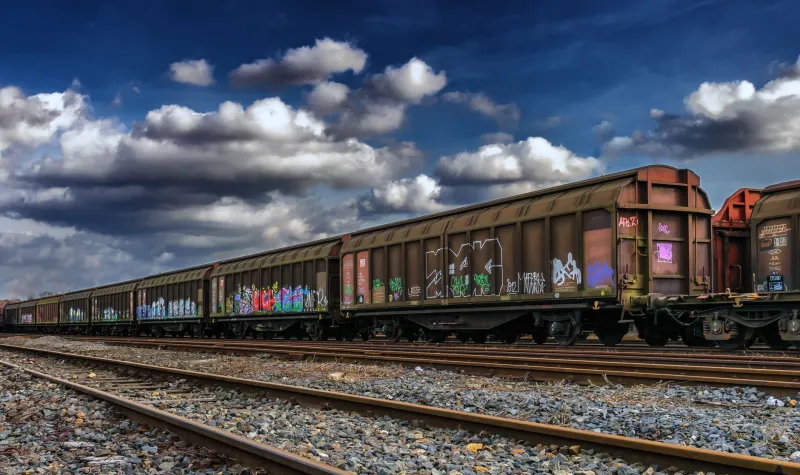
Location tells its own story. Freight train graffiti — 'benchers' photograph these cars like train spotters — travels the whole country, making it the closest thing the culture has to a national touring exhibition. Highway pieces are about visibility to thousands of daily commuters. Alley throw-ups are more about the culture talking to itself. And sanctioned murals, while sometimes dismissed by old-school writers as 'paying the man,' have opened doors for graffiti artists to feed themselves with the same skills.
Look, Don't (Always) Touch
A quick note on etiquette: photograph freely, but respect the walls. Painting over someone's piece without earning it, tagging over a memorial, or defacing a sanctioned mural are serious violations inside the culture — and often actual crimes outside it. If you want in, cities like Philadelphia, Los Angeles, and Denver run legal walls and programs where anyone can learn with a can in hand.
Your New Superpower
Once you can tell a hand style from a throwie and a burner from a bomb run, the city stops being background noise. Every wall becomes a timestamp — who was here, when, and who they were talking to. That's the whole trick of graffiti: it was never invisible. You just needed the vocabulary. Now you've got it. Go take the long way home.